The 2026 election was, in a word, historic. Voters turned out, election officials delivered, and Americans made clear they expect more from the people they elect. Here are five takeaways to carry into the next Congress and the next election cycle, and what we can do to keep our leaders accountable.
,
Stay Updated
Keep up with the latest election news. Receive emails to your inbox!
,
Our Elections are Safe, Secure, and Accessible
Voters showed up, and election administrators were ready for them. Early voting turnout surpassed the last midterm in 2022; in Mississippi alone, nearly 1 million people voted, a total that rivaled a presidential election. These are historic numbers (more on the many historic results below).
By the afternoon on Election Day, the biggest problem wasn’t lack of turnout but flooding in Florida and the Southwest, which forced some polling places to move. Election experts called the lack of major problems remarkable and suggested that heavy early voting and preparation by advocacy organizations, like the League, helped.
,
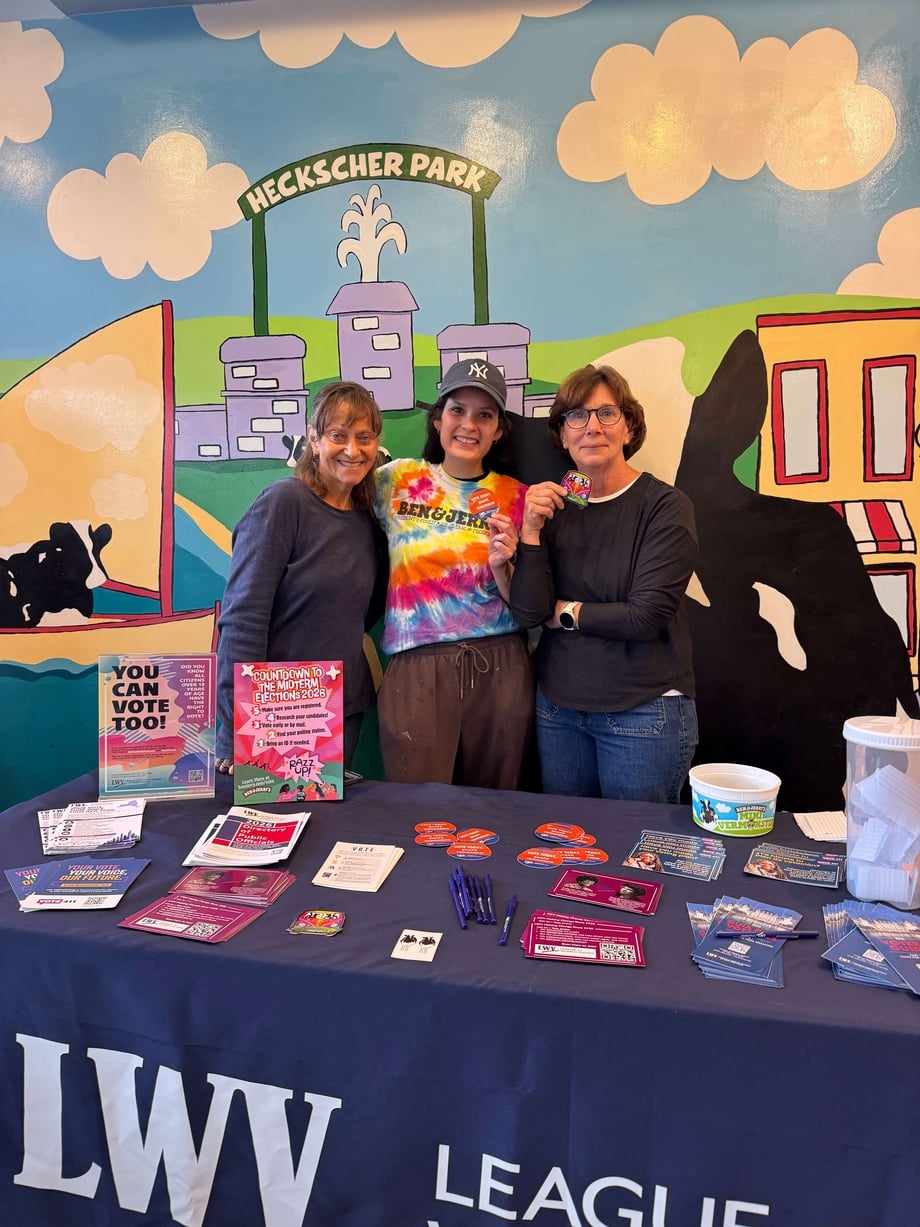
League members registering voters in partnership with Ben and Jerry's
,
The glitches that did occur were routine and quickly fixed. A ballot scanner problem in Westchester County, New York, meant ballots were secured for later counting while voting continued, and a new system feature delayed opening by 20 minutes in Broward County, Florida. To counter these issues, officials extended hours at a handful of polling places in Pennsylvania and North Carolina so no one lost their chance to vote.
Counting took time, and that is a feature, not a flaw. Even two weeks after the election, 8 House races were still too close to call with continued counting, including in Alaska, Louisiana, Minnesota, and North Carolina. In Mississippi, officials spent more than a week hand-processing thousands of affidavit ballots before the Senate race was called. All of this happened under unusual pressure: an unprecedented Justice Department monitoring effort, months of rhetoric about fraud, and warnings about federal agents at the polls. None of the disruptions voting rights advocates feared had materialized by Tuesday night, and courts turned back several attempts to interfere with state-run elections.
Not only did our elections work, but election advocacy worked and was critical to the success of the democratic process.
,
,
Want to get involved in making future elections a success? Sign up to be a poll worker, or get involved with your local League.
Women Made History at the Ballot Box
Women won at every level in 2026. According to Rutgers' Center for American Women and Politics, 17 states elected a woman governor, a new record.
The firsts came quickly:
- Texas's first Latina governor.
- Georgia's first Black woman governor.
- New Mexico's first Native American woman governor.
- Ohio's first woman governor.
- Colorado’s first Black Congresswoman.
- The US Senate’s first Native American woman senators (Peggy Flanagan of Minnesota and Mary Peltola of Alaska).
It’s anticipated that at least 160 women will serve in the 120th Congress, a new record, and at least 18 Black women will hold statewide executive offices, up from the previous record of 11, which was set in 2023.
,
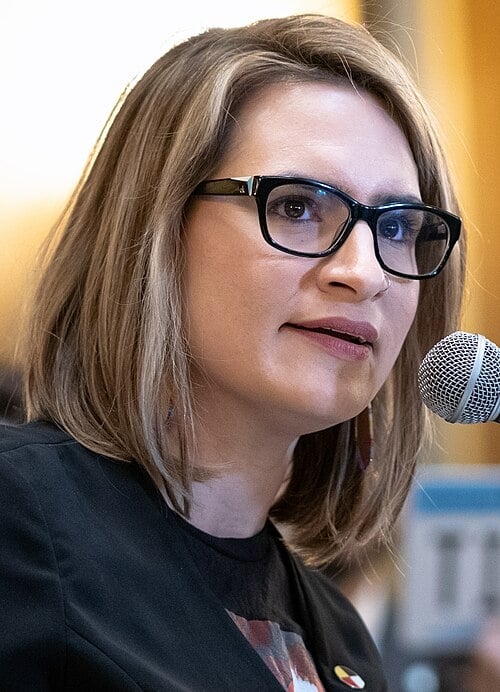
One of the first Native American woman senators, Peggy Flanagan of Minnesota. The other is Mary Peltola of Alaska.
,
The paths to office were as notable as the wins. Many of these women did not take the traditional route through the House. They came from school boards, state cabinets, and medical practices in a year when voter anger about the cost of living, grocery prices, school funding, and exorbitant health care carried exceptional weight. When women run, women win, and the pipeline from local service to statewide office is working.
Voters Want Democracy to Survive
Democracy was on voters' minds when they walked into the polls. In a national exit poll, the state of democracy ranked as the second most important issue, cited by 32% of voters, behind only the economy. About seven in 10 voters said Congress is not doing enough to impose checks and balances on the president. Corruption was a close second.
,
,
That demand surfaced in concrete fights over how we vote leading up to the election. This included League litigation challenging an attempt to limit mail voting through changes at the US Postal Service. The Supreme Court rejected the administration's attempt to limit mail voting through these administrative changes for the 2026 elections, but the fight continues.
Voters are also demanding transparency about how public money and power are used; these issues will shape oversight and ethics debates in the incoming Congress. Americans are not tuning out. On the contrary, they want checks and balances, clean government, and a vote that counts.
Black, Southern Voters Flexed Their Political Power
Black voters in the South turned out, and the results reshaped the regional map. NPR reported that Black turnout surged in states like Louisiana and Georgia, and that Senate seats changed hands in North Carolina, South Carolina, and Texas. The turnout followed the Supreme Court's weakening of Voting Rights Act protections in its Callais decision. Black voters in the region described the ruling as personal, and participation in the post-Callais primaries soared.
,
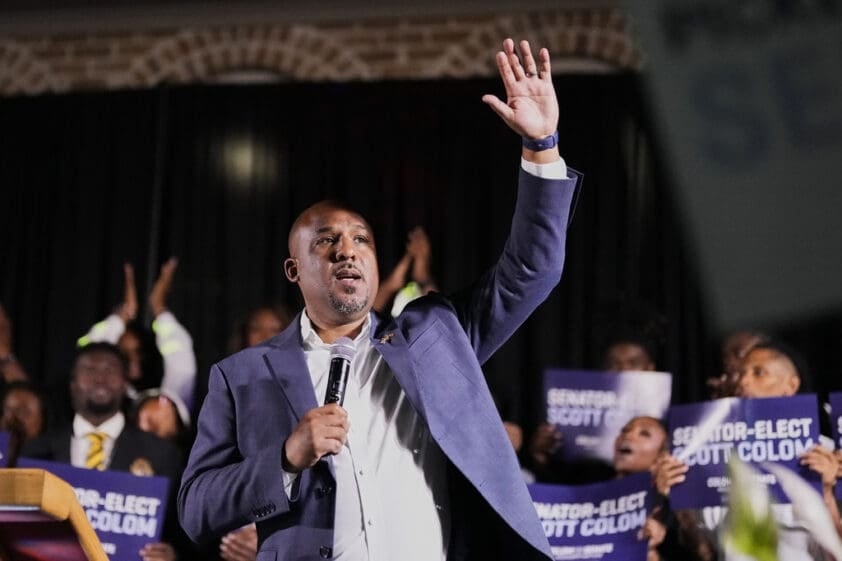
Scott Colom at an election event
,
Nowhere was the story more striking than Mississippi. Scott Colom won by roughly half a percentage point, 49.2% to 48.7%, after officials counted every ballot. He’ll be the first Black person Mississippians have sent to the US Senate since Reconstruction and the first Democrat elected to the Senate from the state since 1982. When rights are threatened, communities organize and vote.
The Gerrymandering Wars Didn't Deliver
At President Trump’s urging, Republicans redrew dozens of congressional districts in eight states, hoping to gain as many as 16 seats. The Associated Press' post-election analysis found it didn't work: the GOP lost most of the Democratic-held seats it targeted. In Florida, Kathy Castor, Pia Dandiya, and Jared Moskowitz won in redrawn districts. In North Carolina, Rep. Don Davis held the 1st District even after Republicans redrew it to favor their party by nearly 12 points. And in Alabama, Rep. Shomari Figures won by 8 points in a district redrawn to favor Republicans by 14 points.
,
,
The League opposes partisan gerrymandering. As redistricting fights shift to the next round, the answer is fair maps drawn in the open.
What Comes Next: Keep Showing Up
Election Day is not the finish line.
The same energy that carried voters to the polls should be used to hold leaders accountable between elections; that starts with telling members of Congress what you expect. Seven in ten voters want more checks and balances, so call, write, and show up at town halls to ask your representatives what they'll do about that.
,

,
Stay informed along the way with VOTE411.org, which can help you check your registration and learn local election rules before the next deadline.
Follow the new Congress's hearings and oversight, speak up on prices, corruption, and voting rights, and support independent redistricting commissions while keeping an eye on Postal Service rules and ballot deadlines in your state.
And get involved locally, whether that means becoming a poll worker, volunteering with your local League, or helping a neighbor register.
Our democracy works when people use it year-round, not just in election season come November.