Your job as a voter is to show up and cast your ballot — and you did it! But for the people whose job it is to certify election results, things are just getting started.
Election certification is a critical part of the electoral process; it’s what confirms that election results are true and accurate, maintaining the integrity of our election system. Certification is governed by established laws and legally mandated procedures, followed by trusted election officials who make sure the results are an accurate reflection of the will of the voters.
,
Stay Updated
Keep up with the latest election news. Receive emails to your inbox!
,
Below is a step-by-step process of how states take every ballot and tally them all to certify an election.
Step 1: Votes are Counted and Canvassed
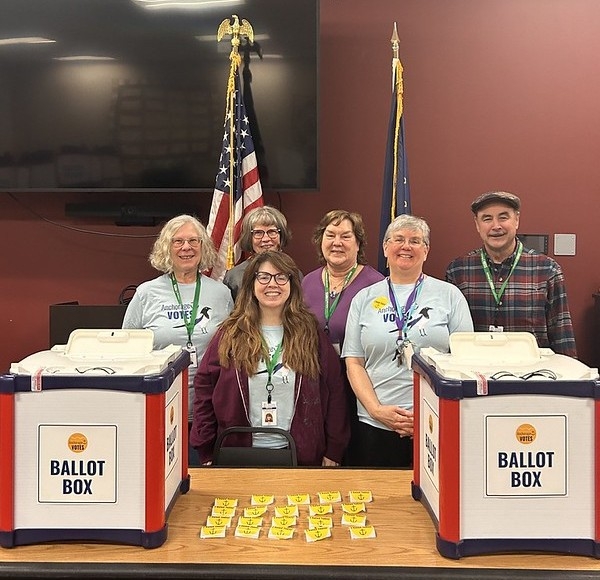
After the polls close, election workers begin counting ballots and reporting vote totals from polling locations. This process is called canvassing. Election workers collect ballots cast through different voting methods, such as in person, by mail, and via drop boxes. They then tally up the results and follow their state's canvassing procedures.
,
,
Depending on state law, election officials in some states may begin processing ballots before Election Day. This is especially useful for mail ballots, which require additional processing steps like verifying information on the ballot envelope. In some states, voters may still have an opportunity to cure a ballot if there is a correctable problem, like missing information or signature discrepancies.
It’s important to remember that the results reported by media outlets on election night tend to be unofficial results. Election officials continue their work after Election Day to complete the canvass and any additional required post-election procedures.
Step 2: Results are Certified at the Local Level
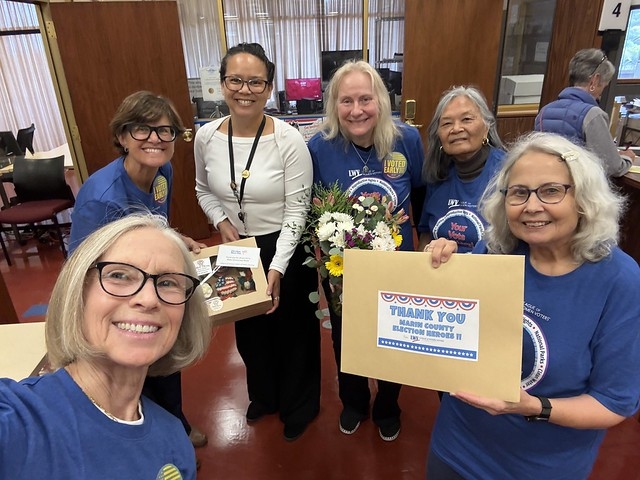
Once the canvass is completed, election results are certified at the local level. This step may be carried out by a local election official, a local board, or another designated entity. The responsible entity reviews all the completed canvass information and formally certifies the results.
,
,
Local certification can be described as the “sign-off” of the canvass results at each precinct. Completion of this process at the precinct level formally means that the canvassing process is over and that the results are the official results for that jurisdiction. For local elections, local certification may be the final certification step!
For statewide and federal elections, however, the process carries on to the next step.
Step 3: Results Are Certified at the State Level
This next step has some nuances, depending on the state. Generally speaking, once local jurisdictions have completed their certifications, those results are sent along to designated state officials.
State-level certification can be conducted by a secretary of state, governor, state board of elections, or another entity determined by state law.
,
,
For most elections, this is where the certification process ends!
One Extra Step for Presidential Elections
There is one additional step that applies only to presidential elections, and that's Electoral College certification.
The winner of every office on the ballot is determined by which candidate wins the most votes — except for president of the United States. In our Electoral College system, voters are effectively casting their ballots for a slate of electors who then go on to formally cast their state's "electoral votes" for president and vice president. This means that a presidential candidate can receive fewer votes nationwide than their opponent and still win the election.
What is the Electoral College?
Because of various problems with the Electoral College, which include the potential silencing of voters and the College’s racist origins, the League of Women Voters of the United States believes that the direct election of the president by popular vote is essential to representative government. Therefore, we believe that the Electoral College should be abolished.
What if Someone Tries to Mess with Election Certification?
In every single state, without exception, certification is a mandatory part of the election process. Designated election officials responsible for certification have a legal duty to complete the process by the applicable deadline. The certification of an election is never an optional step that officials can decline because they disagree with the results.
,

,
Certification is by no means a discretionary process, and no government official is entitled to change the related processes because they disagree with the outcome of an election. Certification must reflect the lawful vote count, not political preferences or unsupported allegations, and it is imperative that the will of the voters is respected.
If you have any questions regarding election certification in your state, contact your local elections office!