Type:
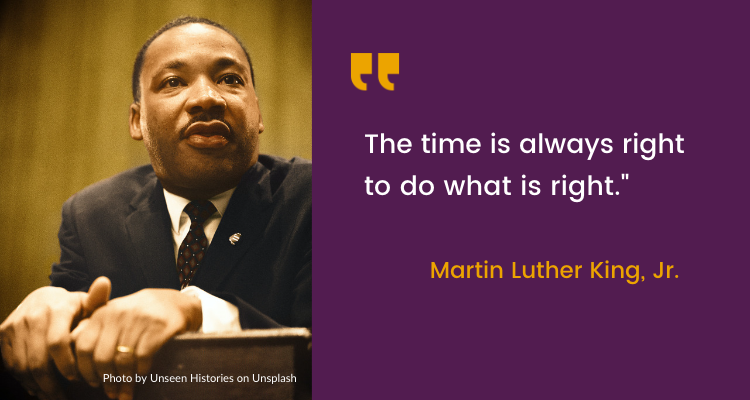
Blog PostMartin Luther King Jr. Day seems an appropriate time to publish this fall 2025 letter from our Diversity, Equity and Inclusion chair Gwendolyn Miller. Ms. Miller urges us to be mindful of other cultures and traditions as we schedule our events:
Dear Members,As we continue to build a League that reflects the full richness of our communities, I want to speak to a foundational issue that touches every member and prospective member: how we schedule our events.Scheduling is not just a logistical task—it is a reflection of our values. When we center only a narrow set of mainstream holidays, we unintentionally signal that some traditions matter more than others. This can lead to feelings of exclusion, disengagement, and even attrition among members whose cultural, religious, or personal observances are overlooked.To truly live our mission, we must embrace a broader, inclusive approach to scheduling. This means recognizing:- Religious and cultural observances such as Rosh Hashanah, Eid al-Fitr, Diwali, and Lunar New Year.- Social and commemorative days like Juneteenth, Indigenous Peoples’ Day, and Pride Month.- Lifecycle events—the days before and after major holidays, which often involve travel, preparation, and family time.Inclusive scheduling is not about complexity—it’s about care. The perceived burden of managing a diverse calendar is far outweighed by the cost of exclusion. When members feel unseen, they disengage. When they feel valued, they thrive.The benefits of inclusive scheduling are clear:- Higher member engagement and retention through a stronger sense of belonging.- Increased innovation and resilience by welcoming diverse perspectives.- Enhanced reputation as a leader in equity and community responsiveness.To move forward, we are initiating a phased approach:1. Technology and Transparency: Shared calendars and scheduling tools will help us flag conflicts and automate accommodations.2. Cultural Education: The DEI committee will provide training and resources to help planners understand and respect diverse practices.Even when conflicts are unavoidable, a simple acknowledgment and apology can go a long way. It shows empathy, builds trust, and reinforces our commitment to inclusion.Let us move from a reactive mindset to a proactive culture of respect. Inclusive scheduling is not just a DEI initiative—it is a strategic investment in our future. Together, we can ensure that every member feels seen, heard, and valued.A Call to Action:Let us not view inclusive scheduling as a burden, but as a profound opportunity to live our values. By embracing this approach, we affirm that every member’s identity is seen, respected, and celebrated. We move from a reactive mindset to a proactive culture of empathy and strategic planning. We build a League that is not only more inclusive—but more vibrant, resilient, and future-ready.I invite us all to reflect deeply on this imperative and to commit ourselves to the work of transformation. Together, we can ensure that our scheduling practices reflect the full richness of our membership and uphold the dignity of every individual who calls the League home.The attached comprehensive Holiday Calendar should pique your interest.In solidarity,Gwendolyn Miller, Diversity, Equity, and Inclusion, Chair
League of Women Voters of Delaware
Well-said, Gwendolyn! The League of Women Voters maintains its strong commitment to Diversity, Equity and Inclusion. Despite its recent domonization in our politics and press, DEI should not be a divisive acronym; it is a mindset to live by.
League to which this content belongs:
Delaware