February Month Long Observances
- Ethnic Equality Month
- Teen Dating Violence Awareness Month
- American Heart Month
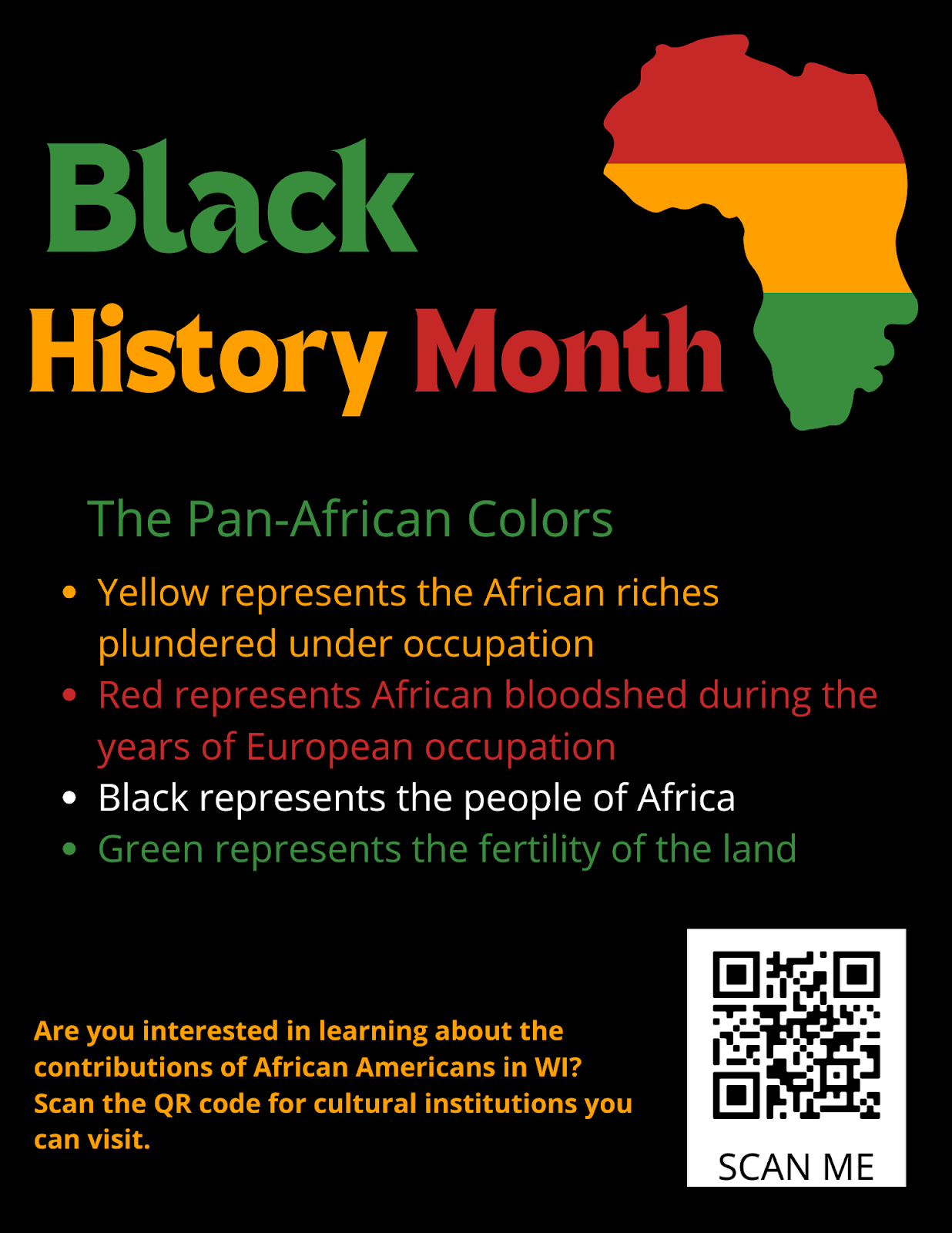
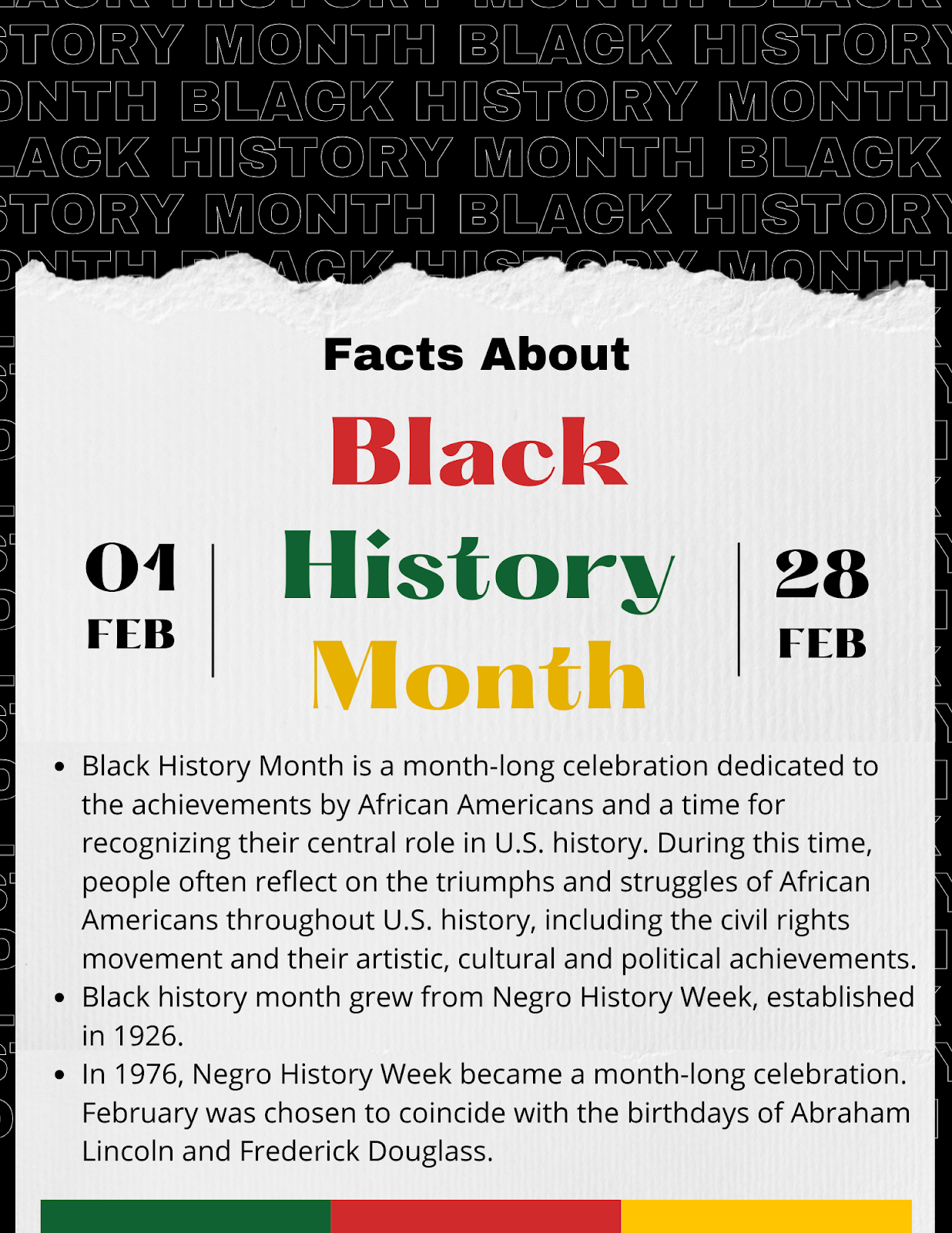
Black History Month
February 1 – National Freedom Day (Signing of the 13th Amendment)
President Abraham Lincoln signed the 13th Amendment on February 1, 1865. The 13th Amendment abolished slavery and involuntary servitude in the United States and gave Congress the power to pass laws to enforce it. The amendment was ratified in December 1865.
February 2 – Groundhog Day
This tradition revolves around whether or not a groundhog sees its shadow. According to folklore, if the groundhog sees its shadow, there will be six more weeks of winter; if it doesn't, spring will come early.
The most famous groundhog, Punxsutawney Phil, lives in Punxsutawney, Pennsylvania. He is the center of the largest Groundhog Day celebration. People gather each year to see if Phil will predict an early spring or if we will have a longer winter. While the event is fun and lighthearted, the actual weather prediction is purely a tradition.
February 2 – February 3: Lailat al Bara'a
Lailat al-Bara’a, also known as Shab-e-Barat or Mid-Sha‘ban, is observed on the 15th night of Sha‘ban, the eighth month of the Islamic lunar calendar. In many Muslim communities, the night is associated with reflection, seeking forgiveness, and engaging in voluntary acts of worship such as additional prayers and recitation of the Qur’an. Some traditions also include charitable giving, sharing food with neighbors, and visiting graves to pray for deceased loved ones.
Observance of Lailat al-Bara’a varies widely across Islamic traditions and cultures, and it is not universally recognized as a formal religious holiday. While some Muslims regard the night as spiritually significant, others do not attribute special religious status to it beyond general remembrance of God. Despite these differences, the night is often viewed by those who observe it as an opportunity for personal reflection and spiritual renewal in the period leading up to Ramadan.
February 2 – Imbolc
Imbolc is a traditional Celtic seasonal festival marking the beginning of early spring, celebrated from February 1 through sundown February 2. It’s associated with renewal, increasing daylight, and the first signs of life returning after winter. Historically, Imbolc honored Brigid, a Celtic goddess (later Saint Brigid) linked to fertility, healing, poetry, and craftsmanship. The festival centers on themes of hope, cleansing, and preparation for the growing season, often symbolized by fire, light, and mother sheep having their babies. These are signs that winter’s hold is starting to loosen. Today, the holiday is celebrated by Wiccans and other practitioners of neopagan or pagan-influenced religions.
February 4 – Rosa Parks Day
Happy Birthday to Rosa Parks! This day honors her invaluable contributions to the fight for racial equality. She is best known for her courageous refusal to give up her seat to a white passenger on a segregated bus in Montgomery, Alabama, on December 1, 1955. This act of defiance became a pivotal moment in the Civil Rights Movement and led to the Montgomery Bus Boycott, a key step in challenging racial segregation in the United States.
Today, we commemorate her legacy and are reminded of the ongoing need to advocate for justice, equality, and social change.
February 9 – International Epilepsy Day
The day aims to raise awareness about epilepsy, a neurological disorder that affects millions of people worldwide. The goal is to reduce the stigma surrounding epilepsy, promote understanding, and provide information on treatment options, research, and support for those living with the condition. It's also a time to advocate for better care and services for people with epilepsy.
February 11 – International Day of Women and Girls in Science
This day aims to recognize and honor the achievements of women and girls in the fields of science, technology, engineering, and mathematics (STEM). It also seeks to promote gender equality and encourage more young women and girls to pursue careers in science and innovation.
The United Nations established this day to address the gender gap in STEM fields, raise awareness about the barriers women face, and highlight the critical role that women and girls play in scientific progress. The observance includes events, discussions, and initiatives designed to inspire and empower the next generation of women scientists.